
Planning a destination wedding? After planning luxury weddings across India, Italy, Thailand, and beyond for over a decade, we have learned that the venue booking process can make or break your entire celebration. The difference between a magical wedding and a logistical nightmare often comes down to asking the right questions before you sign that contract. OVer this decade, we have seen couples make some pretty costly mistakes when it comes to wedding venue booking. We won’t lie, the process can feel a bit overwhelming. But with the right checklist, you can avoid the pitfalls that trip up most couples. This blog is a comprehensive insider’s guide to nailing down that perfect destination wedding venue – complete with the nitty-gritty details most planners won’t tell you.

Before you get swept away by those dreamy venue photos, establish your non-negotiables. We always tell couples to create three lists: must-haves, nice-to-haves, and absolute deal-breakers.
Budget reality check: Your venue typically eats up 40-50% of your destination wedding budget. If you are looking at $100,000 total, expect $40,000-50,000 for venue and catering combined. International destinations add currency fluctuation risks – the euro rate that looked good six months ago might not be so friendly at payment time.
Guest count mathematics is real. Guest count is not important just for dinner seats. You need cocktail space (per person), dance floor capacity (per dancing guest), and breathing room. That 100-person venue might feel cramped for an Indian wedding where you need space for multiple ceremonies, lavish decorations, and to bring extended family together. So, be clear with the decor vision, guest count, and budget.
Different destinations have wildly different marriage laws. Some countries require residency periods before you can legally wed. Others need specific documentation weeks in advance. And this is where couples often get blindsided.
Insider scoop: If you’re planning a wedding in places like France or Italy, start your legal paperwork at least 6 months ahead. Seriously.
For international destinations:
Italy: Requires “Nulla Osta” documentation, often taking 4-6 weeks to process. Civil ceremonies need advance booking at town halls, religious ceremonies require additional church documentation.
France: Mandatory 10-day residency requirement in the commune where you are marrying. Yes, you need to actually live there for 10 days before the ceremony.
Thailand: Buddhist ceremonies are symbolic only. You will need to complete civil formalities separately or legally marry elsewhere.
Bali: Hindu ceremonies require one partner to convert to Hinduism (if not Hindu) with proper documentation.
For Indian destination weddings:
Inter-state marriages may require registration in the state where the ceremony occurs. Some states have different documentation requirements for non-residents. Temple weddings often have specific ritual requirements and timing restrictions.
Pro tip: Always have a backup legal plan. Couples usually prefer doing the legal formalities at home and treating the destination event as a celebration ceremony. Removes stress and legal complications entirely.
Generic weather apps won’t cut it. You need hyperlocal, seasonal insights. For this, you need to work with a good Indian wedding planner with experience in that location. They should be able to handle logistics of an Indian wedding as well as Mother Nature’s moods. Monsoon season in Goa sounds romantic until your outdoor mandap gets flooded.
Peak season also means higher prices but better weather. Shoulder seasons offer savings but come with risks. We always recommend having a backup plan, especially for outdoor venues. Your guests’ comfort matters too. A December wedding in Rajasthan might be perfect weather-wise, but international guests will face holiday travel chaos.
So, you need to research seasonal patterns thoroughly. not just average temperatures. That “average” rainfall might all come in one week.
That beautiful cliff-top venue in Santorini might accommodate 150 people for dinner, but what about the cocktail hour? Dancing space? The getting-ready areas? Think through your entire timeline. You need space for:
Space allocation strategy:
For a 150-guest Indian destination wedding, a rough calculation could look like:
You have to consider layout too. (Your decor and photos will also depend on this). U-shaped vs. round table configurations affect capacity. Indian weddings need extra space for photography, videography equipment, and elaborate floral installations that eat into guest space.
Pro tip: Always visit during a similar event if possible. Photos can be deceiving, and you want to experience the flow firsthand.
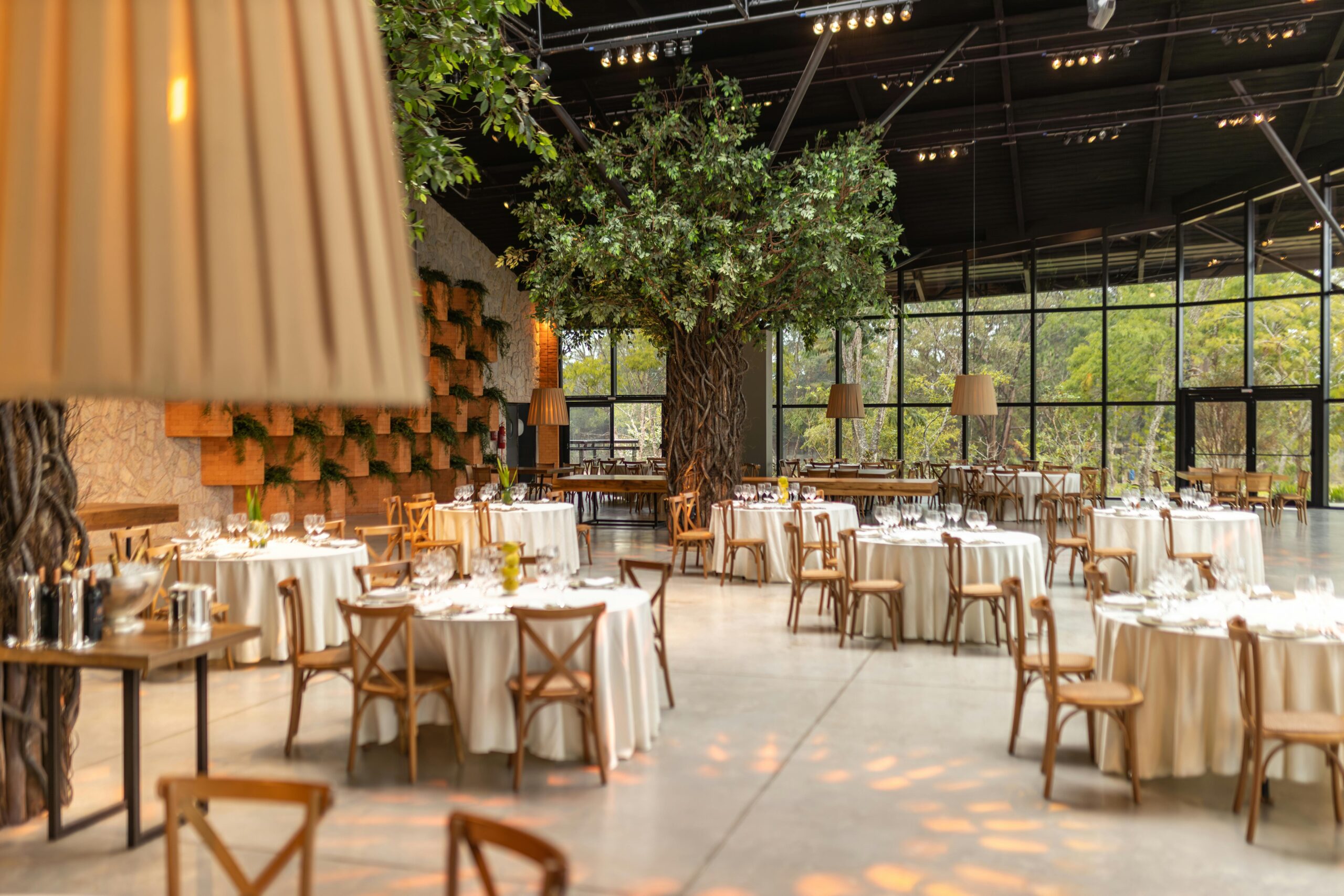
Venue pricing structures vary dramatically between destinations. Some include everything, others charge per service. There are pricing models to understand. All-inclusive packages seem convenient but often limit customization. You cannot bring in your own caterer or vendor without an additional fee. Another common wedding venue package includes venue rental + per-person fees. This is more flexibility but costs can escalate soon depending on guest count. This is perfect if you have an ultra-intimate destination wedding, which has become the trend now. Other venues might have a minimum spend requirement. This is common at hotels. You have to be extra cautious of this. In this package, you might be paying regardless of actual consumption.
What to clarify upfront:
Hidden cost checklist for destination wedding venues:
Always negotiate payment milestones in advance and have everything in writing. Avoid paying large sums too early. Standard schedule is 25% at booking, 50% three months prior, 25% two weeks before.
Ideally, it is best to work with a trusted planner who can suggest to you top wedding venues in India and abroad that they have worked with and have found reliable over the years. A good planner will guide you through your real costs, hidden charges, read the fine print for you, and help you make an informed decision.
Insider secret: Many international venues offer better rates for weekday weddings. If you are flexible on dates, this could save you thousands. Get everything in writing with locked-in exchange rates if possible. We have seen venue costs increase by $5,000 due to currency fluctuations alone
Venue vendor policies can dramatically impact your vision and budget. Some venues have exclusive vendor lists. Others allow outside vendors but charge “coordination fees.” This is not a budget problem strictly speaking. But it is about getting the team you actually want. Some venues have exclusive caterers with non-negotiable pricing. Floral exclusivity agreements might prevent your preferred decorator.
Questions that needs thinking include:
Catering is a big part of any Indian wedding. Hence, there cannot be last-minute compromises made with catering vendors. When booking a destination wedding venue in India or abroad, always clarify these things first:

Your venue choice directly impacts where guests stay. Resorts with on-site rooms simplify logistics but limit guest options. Standalone venues require coordinating multiple hotels. If you are working with a top destination wedding planner in India, they will help you with group booking discounts and room blocks. They usually have good rapport with top Indian wedding venues in different cities and can negotiate a far better price than anyone can.
For group bookings, you should ideally secure room blocks 8-12 months in advance. You can have different budget levels for different guest groups. You can even negotiate complimentary rooms (typically 1 free per 20 booked). You should also clarify about cancellation policies for unused rooms and upgrade policies for early bookings. Also, transportation between venue and accommodation is an important part. Plan that ahead.
Wedding venue accommodation checklist:
The rooms should have
Pro tip: It is wise to always carry a portable WiFi hotspot as backup, especially for international destinations.
Destination wedding contracts need extra scrutiny because local laws and remedies differ. This is the not-so-fun part, but it is crucial. Read everything twice. Venues that won’t provide detailed contracts or keep changing terms should be avoided. Trust your gut. These are huge red flags.
Checklist of things in wedding venue contract to understand:
Destination weddings need buffer time. Flights get delayed, vendors need extra setup time, and you will want moments to actually enjoy your own wedding.
Smart scheduling looks like this:
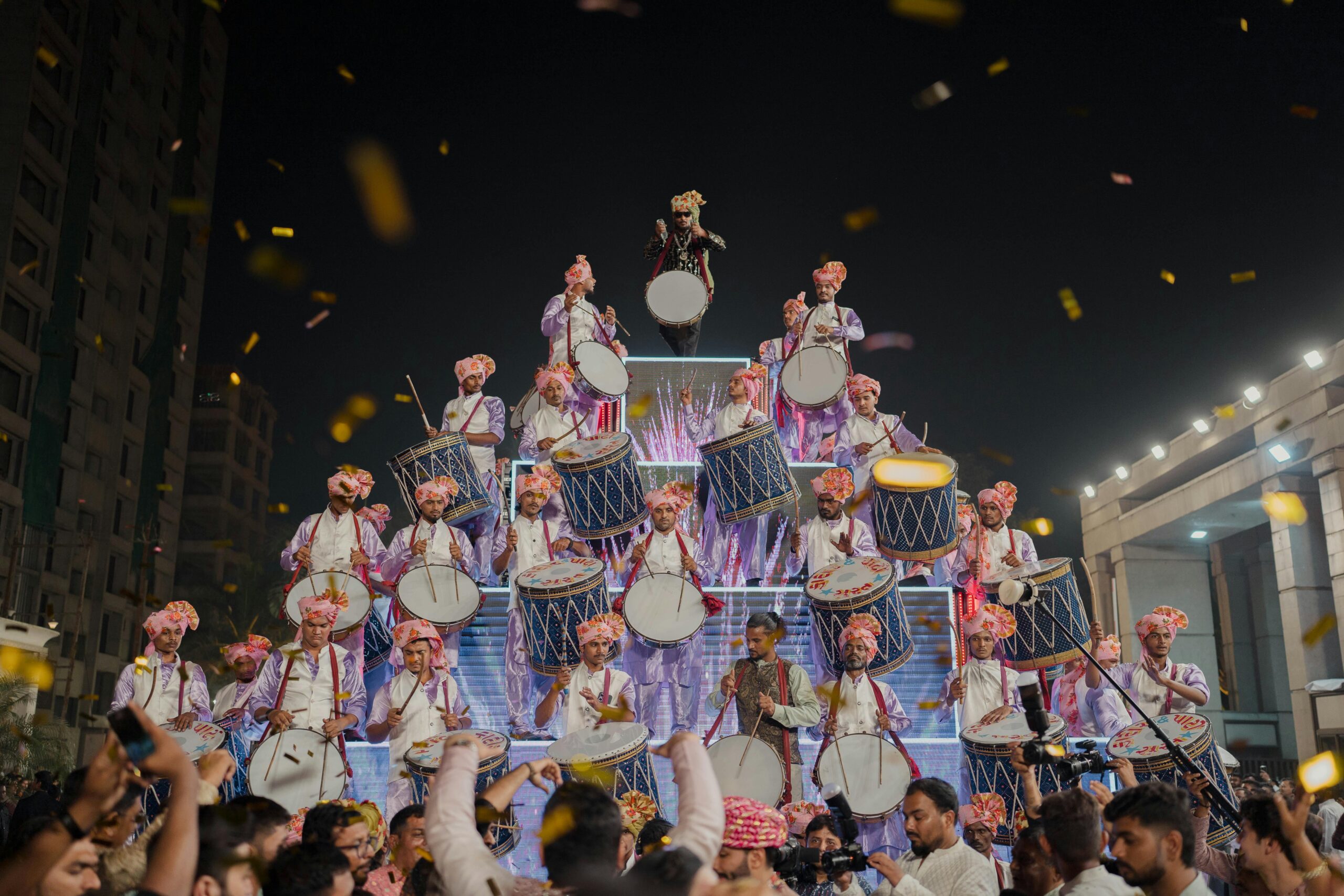
Before signing anything, step back and visualize your actual wedding day. Not the styled photoshoot version – your real wedding with your real family and friends. Will Grandma be comfortable? Can the venue handle your brother’s energetic baraat? Does the flow make sense for your specific celebration style? The perfect venue is not the most beautiful one you see. It is the one that fits your vision, budget, and practical needs without compromise. After years of seeing couples navigate this process, the ones who end up happiest are those who prioritize function alongside beauty. Your venue sets the stage, but your people and celebration make the magic. Trust the process, ask the tough questions upfront. The right place will welcome your questions and work with you to create something incredible.
Ready to start planning your dream destination wedding? Get in touch with our team for personalized venue recommendations.

